

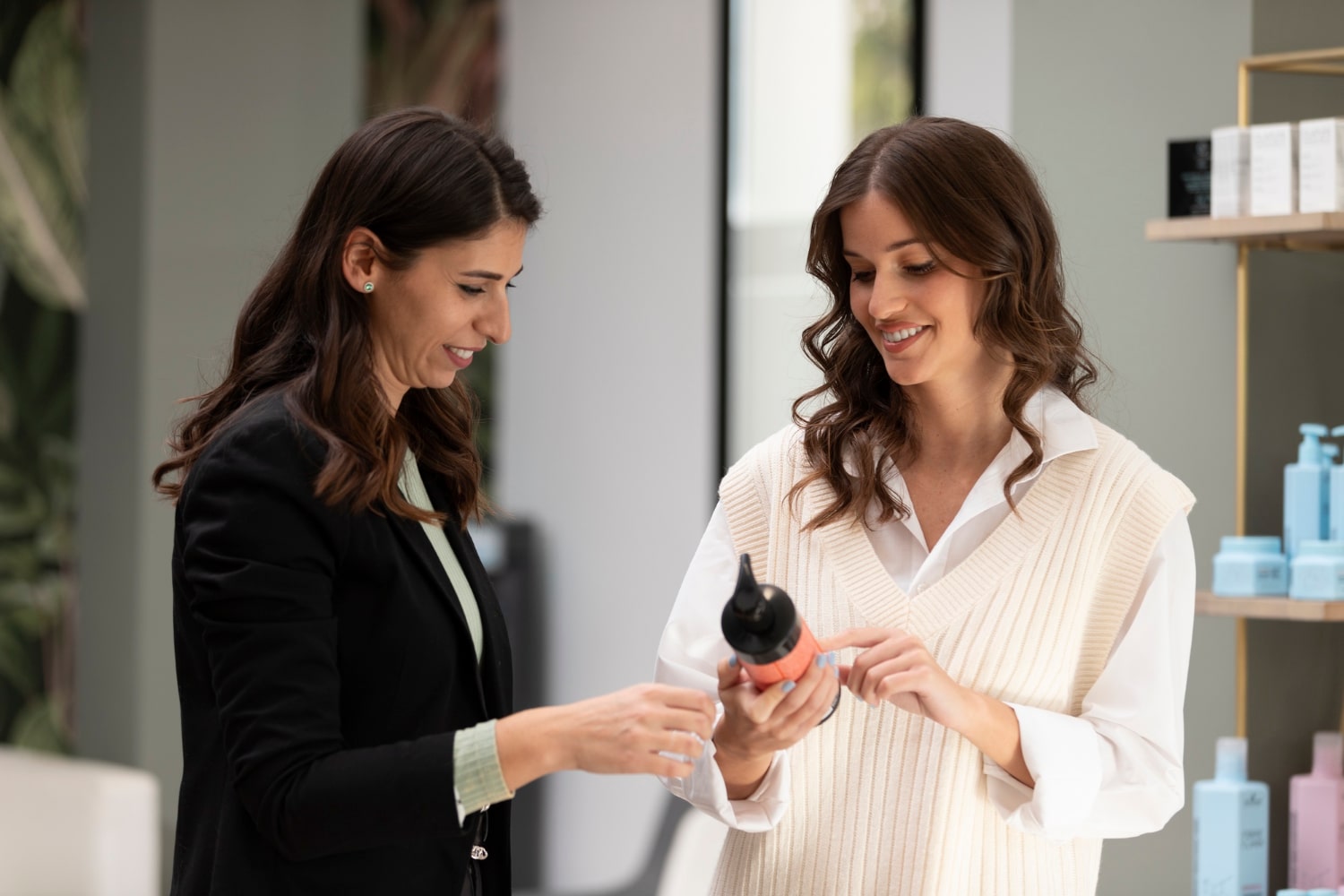
The beauty retail experience in the GCC has taken on a new shape over recent years, extending well beyond the exchange of product for payment. Consultations, diagnostics, and in-store treatments have steadily become expected parts of the shopping visit, reflecting a deeper change in what consumers look for when they walk into a store. This shift defines current GCC experiential retail,a move away from a purely product-led model toward a retail-service hybrid, where the experience surrounding a purchase now holds commercial value in its own right.
In the GCC beauty industry, retailers are increasingly judged on the quality and credibility of the service they offer alongside their product range. Diagnostics ahead of a skincare purchase, consultations built into a haircare visit, and treatment slots that turn a routine errand into a scheduled appointment have become common features of this landscape, forming the basis of what is now recognized as a new retail model in the region.
This blog examines the forces behind these beauty shopping trends, how retail formats and business models are adapting in response, and how service has become as central to beauty retail as the product itself. Together, these threads offer a clearer picture of why credibility, personalization, and experience now define competitive advantage in the GCC beauty industry.
Why Consumers Are Choosing Hybrid Beauty Experiences
Consumers are gravitating toward hybrid beauty experiences, formats where retail shopping and professional treatments converge, because they directly address long‑standing frustrations with traditional beauty shopping. Product skepticism, lack of time, and overwhelming choices have historically undermined confidence in purchases. The hybrid model resolves these pain points by offering immediate validation, efficiency, and a sense of wellness investment rather than a purely cosmetic transaction.
In the past, skincare or makeup purchases were often based on online reviews or quick hand swatches, leading to wasted spending on incompatible products. Hybrid spaces change this dynamic through proof of performance: a flash facial or scalp detox allows the consumer to see and feel how a product performs on their own skin or hair before committing financially. This reduces purchase regret and builds confidence. A 20‑minute microcurrent facial or a quick professional hair glaze on the retail floor also injects a micro dose of wellness into an ordinary day, elevating the shopping trip into a lifestyle experience.
The commercial appeal lies in three pillars. Trust is built through unbiased advice from licensed professionals performing treatments. Time savings come from a multitasking environment where shopping and treatments merge seamlessly. Customization is enabled by diagnostic tools that prescribe routines, ensuring consumers leave with products aligned to their specific needs. Together, these factors explain why hybrid formats are gaining traction: they transform beauty retail into a service ecosystem that delivers credibility, efficiency, and personalization in one setting.
Technology as the Personalization Engine
Beauty tech is redefining personalization in modern retail. AI skin analysis, AR beauty try-on, and app based recommendation engines let consumers see results in real time, replacing guesswork with measurable data. In markets with high digital adoption, this shift builds consumer trust and reduces hesitation at the point of purchase, turning a routine store visit into a genuinely interactive digital beauty experience.
Diagnostic tools have brought a new level of scientific rigor to in-store consultations. Scalp micro cameras, for example, analyze sebum buildup, follicle density, and structural hair damage at a near-cellular level, giving estheticians objective data rather than subjective observation. This precision allows providers to move from generalized advice to personalized beauty recommendations grounded in evidence, strengthening consumer confidence in categories once driven largely by trial and error.
Visualization technology addresses a long-standing barrier to purchase: uncertainty. Smart mirrors powered by AR beauty try-on simulate how a lipstick, eyeshadow, or foundation will appear under different lighting conditions before a product is even opened. AI-driven hair color simulations extend this same logic to higher-commitment decisions, letting consumers preview a shade change in advance, while handheld colorimeters ensure the final match is exact rather than approximate.
Formulation technology is beginning to emerge as the most advanced layer of this shift. Early smart lab initiatives are experimenting with analyzing UV exposure, humidity, and lifestyle inputs to generate custom serums or treatments designed for individual profiles rather than shelf‑wide averages. Digital diagnostic profiles can sync into consumer mobile accounts, linking in‑store treatments with at‑home routines and extending beauty tech and AI skin analysis from a single visit into a continuous decision journey.
The Service-Led Transformation of Beauty Retail
The traditional beauty retail model was built around product-first priorities: grid like aisles packed with inventory, commission driven sales associates, and messy communal testers. Foot traffic was largely dependent on new product launches or seasonal promotions. This structure maximized shelf space but offered little incentive for consumers to linger or engage.
Modern service-first formats invert that hierarchy. Retailers are replacing central display islands with open concept service bars, blow-dry stations, and clinical skin labs. These areas are intentionally placed in high visibility zones to create energy and draw shoppers in. The store layout is designed not for inventory density but for interaction, hospitality, and diagnostic precision – a clear marker of beauty retail innovation.
Consultations have become central to this transformation. Personalized skin diagnostics, makeup tutorials, and hair assessments are structured experiences that build trust and directly influence purchase decisions. In the GCC, where consumers value expertise and credibility, these personalized beauty services act as a powerful bridge between browsing and buying. They are no longer discretionary extras but embedded touchpoints in the customer decision journey, shaping beauty buying behaviour with measurable commercial impact.
The staffing model has also shifted. Instead of commission driven associates, service-first retailers employ licensed estheticians, trichologists, and professional makeup artists. Their role is advisory rather than transactional, using diagnostic tools to prescribe personalized routines. Sampling has evolved too: passive swatching has given way to active treatments, mini facials, and scalp analyses that demonstrate product efficacy in real time.
Closing Insight
The direction of travel points toward deeper convergence. Beauty retail, wellness centres, and clinical treatment providers are moving structurally closer together, with digital platforms functioning as the connective layer that links product discovery to service booking to long-term consumer care. This beauty retail transformation suggests the format of the near future may resist easy classification as retail, salon, or clinic – it may simply operate as all three, accessed through a single, ongoing relationship with the brand.
For retailers, the implication is direct: product assortment alone cannot carry a competitive position on its own. Differentiation now comes from the depth, credibility, and personalization of the experience built around the product – the consultation that establishes trust, the treatment that deepens the relationship, and the technology that scales personal attention while preserving its perceived value.
Beauty retail in the UAE and the wider GCC now hinges on what happens around the shelf, not just what sits on it. Reading that shift correctly demands structured evidence into retail consumer behaviour: how consumers weigh trust against convenience, how markets across the GCC beauty industry diverge in what they value, and how service innovation actually converts into commercial return.
Navigating this shift is where Sapience adds the most value. As a market research and strategic insight firm, Sapience helps beauty and retail businesses across the region understand retail consumer behaviour through in-depth consumer research, concept and experience testing, and market diagnostics; turning what customers actually want into strategies for service design, positioning, and go-to-market execution grounded in regional evidence.