
Industrial diversification has become one of the UAE’s most strategic national priorities. Under the Ministry of Industry and Advanced Technology (MoIAT), flagship programs such as “Make it in the Emirates” and the ten-year Operation 300bn roadmap are designed to reposition the country as a production economy, targeting AED 300 billion in industrial contribution by 2031 through advanced technology integration, robotics, and Industry 4.0 guidelines.
The policy architecture supporting this transformation is equally significant. The National In-Country Value (ICV) program is a procurement scoring mechanism that ties incentives to locally manufactured goods, encouraging state-linked buyers to prioritize domestic production and making manufacturing in the UAE commercially attractive for global companies.
The UAE manufacturing industry is backed by strong state policy, advanced technology adoption, and procurement frameworks that favor domestic goods, yet consumer confidence is not automatic. It is shaped by cultural expectations, perceptions of regulatory credibility, and comparisons with international standards, and the UAE country of origin effect operates as a double-edged signal, in some cases reinforcing trust and in others raising questions about whether local production matches established global alternatives.
This blog explores that equation, examining where local origin strengthens confidence and where skepticism persists, offering UAE consumer insights into how “Made in UAE” can move beyond a policy framework toward a trusted identity in the marketplace.
Industrial Diversification and Consumer Perception
The UAE’s diversification agenda spans food security, pharmaceuticals, construction materials, and consumer goods, each showing a different balance between policy ambition and consumer response. Local origin in this context is not singular; it can mean a domestically owned brand, a product manufactured in the UAE, a foreign brand with local facilities, or an import carrying UAE certification. Each sector leans toward a different mix of these arrangements, shaped by both policy frameworks and consumer expectations.
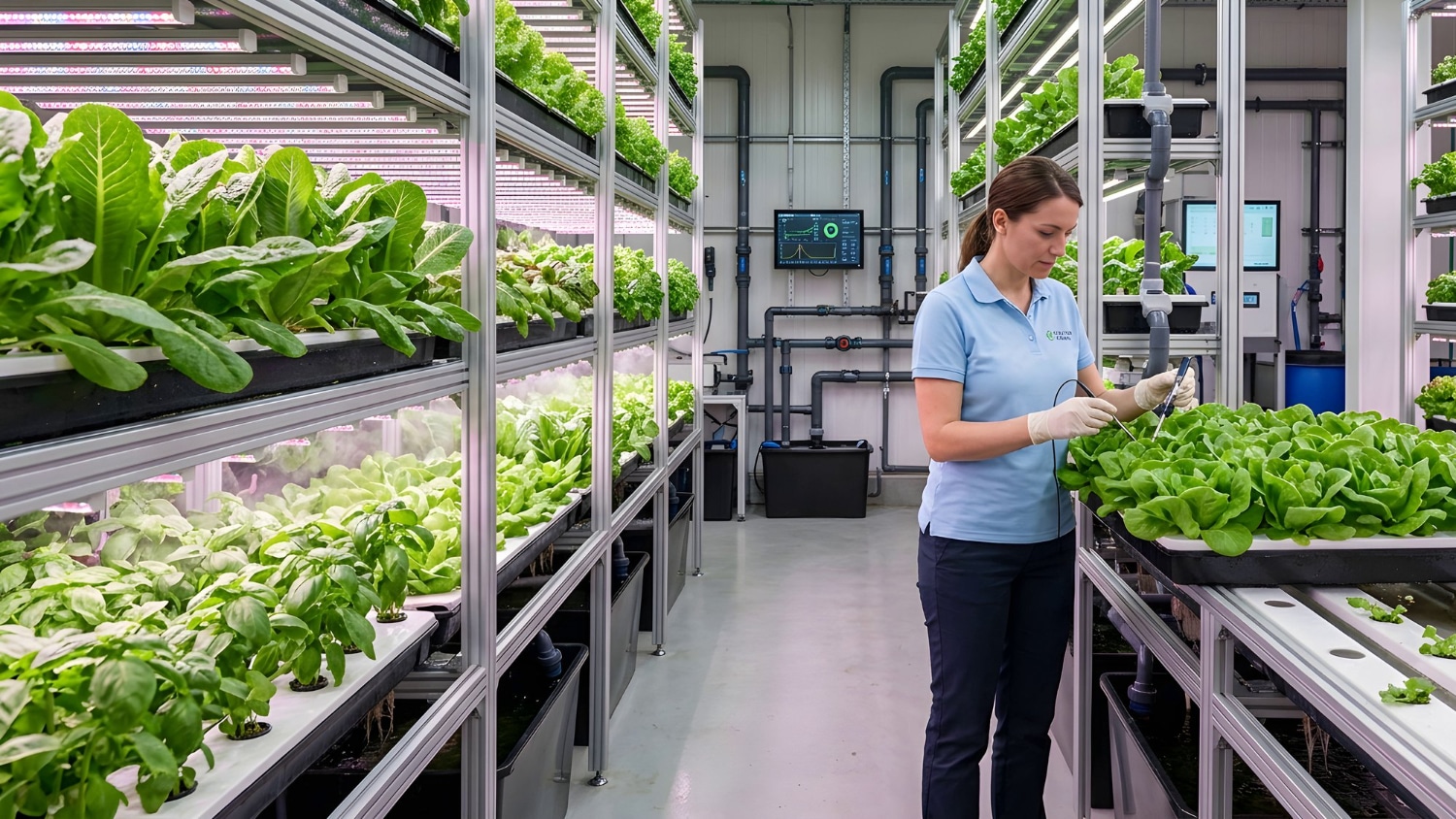
Food security aligns most closely with consumer priorities. Under the National Food Security Strategy 2051, investment in vertical farming, hydroponics, and aquaculture has strengthened domestic supply chains. Dairy, poultry, and indoor farmed produce are often perceived as fresher than imports, though this advantage is best validated against specific product propositions rather than assumed as a blanket preference.
Pharmaceuticals follow a different path. The Abu Dhabi Industrial Strategy and MoIAT partnerships have focused on localizing biologics, vaccines, and generics by attracting established international manufacturers. Consumer trust, however, tends to remain attached to global brand names, meaning local production requires sustained regulatory validation to build confidence independent of heritage.
Construction materials in the UAE are mainly a business to business market, where decisions depend on performance, compliance, and supply reliability. The In Country Value (ICV) program encourages developers to use locally produced steel, cement, and glass, but this is only part of the picture. Buyers also consider certification, such as the Emirates Quality Mark, and the track record of the manufacturer, whether UAE owned or international. In practice, trust comes from consistent quality and delivery, with local production offering supply chain advantages but not automatically preferred over imports.
Fast moving consumer goods (FMCG) present the most mixed picture. “Make it in the Emirates” incentives have supported UAE owned startups in culturally aligned niches such as oud based perfumes and regional snacks, while multinational companies manufacture locally for cost or compliance reasons. In everyday staples, global brands, whether imported or produced under license, continue to dominate, reflecting the weight of pricing and legacy recognition.
Taken together, these examples show how diversification creates opportunities while exposing the layered nature of consumer perception. The UAE country of origin effect is interpreted differently across categories, with ownership, manufacturing, and certification each shaping trust in distinct ways.
COO Signals in the UAE Context
In the UAE, country of origin cues function as structured signals that shape consumer trust. They are interpreted through three interconnected dimensions: halal integrity, government regulation, and cultural alignment. Together, these elements define how “Made in UAE” is perceived, offering consumers reassurance that production aligns with recognized standards and regional expectations.
Halal certification, overseen by the Ministry of Industry and Advanced Technology (MoIAT) and supported by marks such as the UAE National Halal Mark and the Emirates Quality Mark (EQM), communicates hygiene, traceability, and protection against cross‑contamination, helping reduce uncertainty for Muslim consumers locally and globally.
Government regulation reinforces COO signals by embedding trust within institutional frameworks. Oversight by MoIAT ensures that goods meet national standards for safety, quality, and performance. Conformity schemes such as EQM provide visible assurance that products have undergone documented checks on materials, processes, and traceability. For consumers and businesses, these regulatory signals transfer confidence from the system onto the product, making governance a central pillar of COO credibility.
Cultural alignment adds resonance by embedding products within regional traditions and values. The “Made in UAE” stamp gains depth when combined with cues such as Arabian hospitality, family centric lifestyles, or localized scents like Oud and Amber. This alignment makes products feel tailored to the region, strengthening emotional connection and linking consumption to cultural pride and national progress.
Together, these three dimensions transform COO cues into comprehensive trust signals. They balance compliance, oversight, and cultural fit, making the UAE COO effect distinct from global markets where heritage alone often dominates. In the GCC, COO reflects how effectively local production aligns with values, standards, and institutional frameworks that shape consumer confidence.
How UAE Consumers Judge Local Production
In the UAE, consumer trust in local production is conditional. National pride creates initial support, but loyalty is sustained only when brands deliver consistency, transparency, and authentic value. COO cues alone are insufficient; trust is earned through operational rigor and cultural alignment.
Breakdowns occur when products fail to meet expectations of predictability and quality. Inconsistent batch performance, weak packaging, or unjustified premium pricing quickly erode goodwill. Misleading “Made in UAE” claims, where imports are merely repackaged, destroy credibility outright, while failures in cold chain logistics undermine the freshness promise of local farming. In durable goods, poor warranty enforcement or weak customer service tarnish reputations compared to global competitors.
Trust strengthens when local production demonstrates maturity. Verification through the Emirates Quality Mark or official halal certification signals compliance and builds confidence. Climate controlled supply chains that guarantee freshness, hyper customization for Gulf conditions (e.g., skincare for humidity, car batteries for extreme heat), and seamless customer care all reinforce authenticity. Transparency tools such as QR based batch traceability further neutralize fears of re-packaging.
Finally, genuine alignment with national initiatives like “Make it in the Emirates” embeds local brands within the country’s industrial vision. When consumers see contributions to job creation, sustainability, and national progress, purchasing becomes an act of community investment.
In short, UAE consumers support local production when it competes head-to-head with global alternatives on quality, service, and authenticity. COO cues become powerful trust assets only when backed by consistency and cultural fit; where these conditions falter, skepticism resurfaces and imports regain the advantage.
Brand Strategies for Leveraging COO Cues in the UAE
For brands, the strategic task is to convert COO cues into credible trust signals that consumers can verify. This means building confidence through openness about production and sourcing, particularly around halal compliance, food safety, and supply chain practices, rather than relying on the label alone. When companies explain how and where goods are made, they establish transparency as the foundation of trust.
Certification provides reinforcement. Marks such as the Emirates Quality Mark (EQM) and ISO standards confirm that defined requirements have been met. Their strength lies in being communicated clearly and accurately, as signals of conformity, without overstating their scope. When paired with transparent disclosure, certification strengthens credibility and supports regulatory standing.
Storytelling adds depth. Narratives around heritage, sustainability, and adaptation to Gulf conditions resonate strongly with UAE audiences, provided they avoid exaggerated claims of superiority. Hybrid positioning, for example, collaborations with international partners, can further enhance local relevance while offering global credibility, especially for expatriate consumers who benchmark against international standards.
Finally, COO emphasis works best when applied selectively. Essentials such as food and household staples benefit from visible COO cues, while aspirational categories like electronics or education gain more from highlighting performance, design, and innovation, with COO signals playing a supporting role.
Conclusion
The country of origin effect in the UAE is a dynamic interplay of cultural pride, expatriate diversity, household structures, and neighborhood economies. For manufacturers, this means that consumer trust in “Made in UAE” cannot be assumed, it must be earned and sustained through strategies that resonate with different household segments and community contexts. Local credibility in essentials such as food and healthcare must be reinforced, while aspirational categories require proof that UAE production can meet or exceed global benchmarks.
In this environment, market research becomes indispensable. Household perceptions, expatriate expectations, and neighborhood shopping behaviours are constantly evolving, shaped by social interactions, cultural frames, and shifting consumer priorities. Without rigorous research, businesses risk misreading these signals and losing relevance in a marketplace where trust is fragile and competition is global.
This is where Sapience, as a market research company, plays a critical role. By conducting deep qualitative and quantitative studies into UAE household buying behaviour, expatriate consumer behaviour, and neighbourhood shopping behaviour, Sapience provides manufacturers with the evidence they need to recalibrate strategies. Research uncovers not only what consumers buy, but why they buy, and how COO cues are interpreted across diverse communities.
