
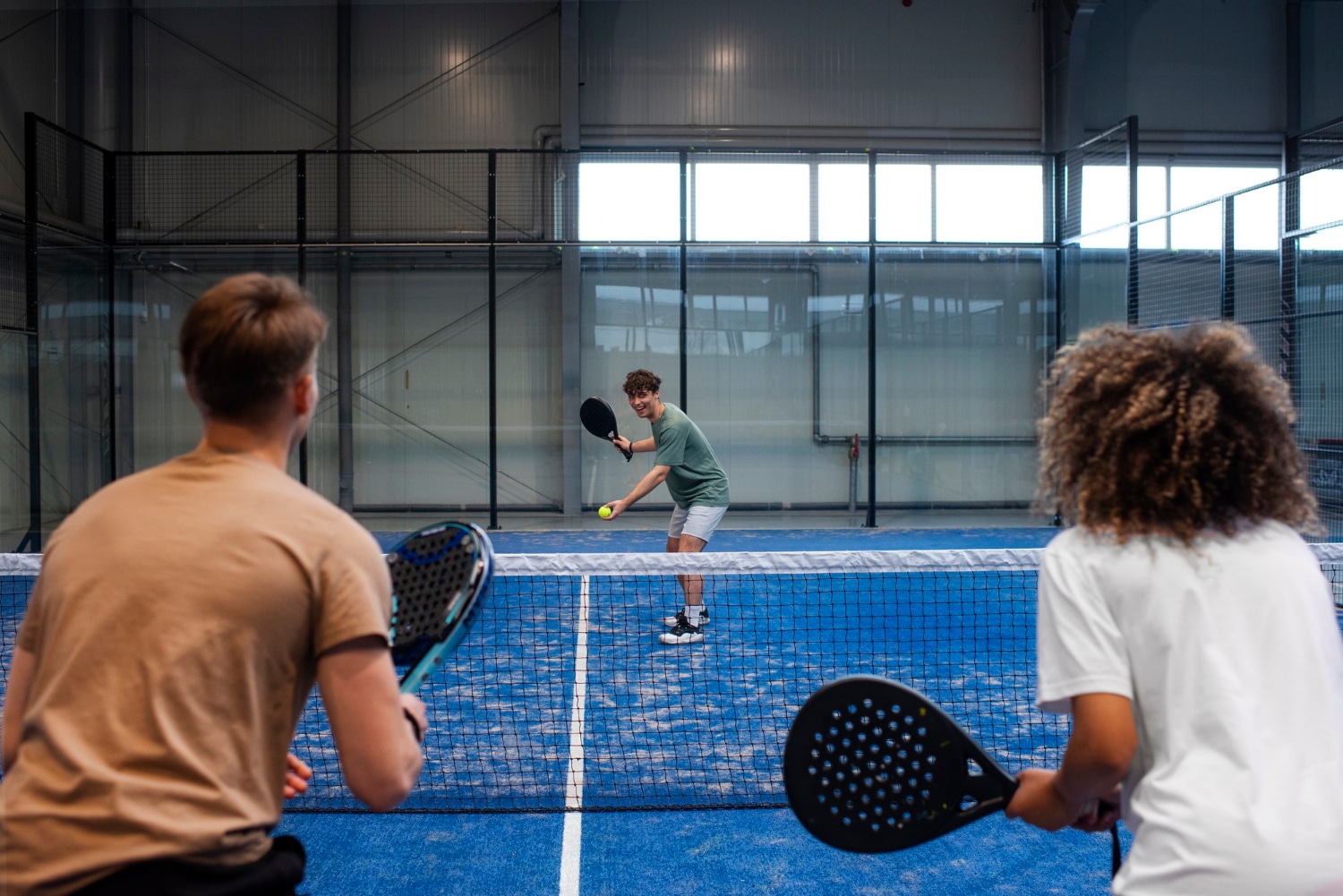
In GCC cities, the evening has crystallized into a distinct economic segment. Around 7 PM, demand converges: professionals transition out of offices, families recalibrate routines, and households seek structured outlets for leisure, fitness, and social engagement. This convergence defines the after‑work economy – a concentrated period where consumer choices carry weight and competition is intense.
For years, restaurants, malls, and streaming platforms shaped how households spent these hours. Today, the landscape is diversifying. Indoor sports facilities are asserting themselves as destinations that combine recreation, wellness, and identity. Their growth reflects broader shifts in GCC consumer lifestyles, where leisure is increasingly evaluated by its ability to deliver health benefits, foster community, and signal status.
The 7 PM economy is best understood as a marketplace of participation. Consumers are directing their time toward experiences that reinforce achievement, belonging, and lifestyle alignment. Indoor sports fit this trajectory, offering structured engagement that competes directly with conventional leisure formats and reshaping the evening economy into a contested arena of active versus passive choices.
This blog will examine how indoor sports are rising within the GCC’s 7 PM economy, why they are competing with established leisure formats, and how pricing, accessibility, trust, and convenience are shaping their future outlook in the region’s evolving urban lifestyle markets.
The Rise of Indoor Sports in GCC Cities
Indoor sports have moved from seasonal alternatives to permanent fixtures of the 7 PM economy in the GCC. Their expansion is shaped by three interconnected forces: climate realities, urban density, and rising affluence. Together, these factors explain why padel, indoor football, climbing gyms, martial arts studios, and boutique fitness centers are proliferating across the region.
Climate is the most immediate driver. With summer temperatures often exceeding 45°C, outdoor recreation becomes impractical for much of the year. Indoor arenas and climate‑controlled hubs ensure continuity of fitness routines, allowing professionals and families to sustain participation year‑round. This adaptation has repositioned indoor sports from temporary substitutes into essential infrastructure for urban life.
Urban density reinforces this trend. As GCC cities expand vertically, developers are embedding sports facilities directly into residential towers, malls, and mixed‑use complexes. Warehouses and underutilized retail spaces are being repurposed into padel courts, climbing gyms, and boutique fitness hubs. These venues not only optimize real estate but also drive evening foot traffic, making sports a central component of urban planning and commercial ecosystems.
Affluence adds another dimension. Rising disposable incomes among young professionals and dual-income households have created demand for premium wellness experiences. Consumers are shifting spending from passive leisure, dining, or shopping toward active formats that combine exclusivity with health benefits. Boutique studios, martial arts academies, and padel clubs charge premium fees, justified by advanced coaching, recovery technologies, and curated amenities.
Indoor sports have also become lifestyle markers. Padel has emerged as a networking sport, blending athletic competition with corporate socializing. Climbing gyms and spin studios are designed as visually striking spaces, optimized for digital sharing and identity signaling. Exclusive memberships, premium apparel, and specialized equipment reinforce the perception of indoor sports as status symbols within the GCC consumer lifestyle.
Competing for Weeknight Leisure Time
The after‑work slot in GCC cities has become a contested arena. Between 7 and 9 PM, consumers once defaulted to dining out, shopping, or cinema visits. Today, those options are losing priority as households and professionals recalibrate their evening routines. The shift reflects deeper changes in GCC consumer leisure behaviour, where health, social belonging, and identity increasingly outweigh passive consumption.
Dining out, once the dominant weeknight activity, is being re‑evaluated. Rising health consciousness and the premium placed on fitness have reduced the appeal of late‑night meals. Young professionals in the UAE, for example, are trading café culture for padel matches or boutique fitness classes, aligning leisure with wellness goals. Restaurants remain important, but they no longer monopolize the evening economy.
Shopping has also declined as a primary evening pursuit. With e-commerce and delivery platforms offering convenience, malls are less about retail transactions and more about integrated experiences. Developers now embed sports hubs within malls to attract foot traffic, signaling that fitness and recreation are becoming stronger anchors than traditional retail.
Cinema visits face similar pressure. Streaming platforms have shifted entertainment into the home, making movie outings less routine. Families still attend cinemas, but frequency has dropped, and the evening slot is increasingly contested by sports leagues and fitness studios that offer active participation rather than passive viewing.
Home entertainment, while convenient, is also losing ground among younger demographics. The appeal of indoor sports lies in their ability to deliver community, networking, and status. Padel doubles, martial arts classes, and climbing gyms foster social interaction and identity signaling, positioning sports as more valuable after-work activities than solitary screen time.
Indoor sports are emerging as the clear disruptors of the evening economy. What sets them apart is not just convenience, but their ability to deliver outcomes that traditional leisure formats increasingly fail to provide: wellness, structured social interaction, and identity signaling. The decisive shift is that consumers now want their leisure hours to feel invested rather than spent, and indoor sports have positioned themselves as the most compelling way to achieve that in the 7 PM economy.
Social Dynamics: From Colleagues to Communities
Indoor sports facilities in the GCC have evolved into modern social hubs that go far beyond recreation. They function as “third places,” environments outside home and office, where people build connections, flatten corporate hierarchies, and engage in structured yet informal networking. These venues blend high‑end social amenities with team‑based sports, creating collaborative atmospheres that transform workplace acquaintances into genuine communities.
Formats such as Padel Tennis doubles, 5‑a‑side Football, Indoor Cricket, and martial arts are particularly powerful in fostering camaraderie. Their design encourages teamwork, shared routines, and repeat participation, which naturally strengthens bonds among colleagues, friends, and new acquaintances. Unlike passive leisure, these activities generate recurring social touchpoints, embedding sport into the rhythm of urban life.
The social value of these hubs is amplified by technology. App‑driven booking systems, league management platforms, and digital communities allow participants to coordinate matches, track performance, and stay connected beyond the venue. This digital layer extends the sense of belonging, turning sports into ongoing networks rather than one‑off activities.
At the same time, facilities are deliberately curated to encourage interaction. Smoothie bars, lounge areas, and co‑working corners within padel clubs or fitness studios create spaces where conversations continue after the game. This integration of sport and social amenities positions indoor venues as catalysts for community engagement, where wellness, networking, and lifestyle converge.
The result is a new form of social sports community in the GCC. Participation extends beyond physical activity, becoming a way to express identity, build discipline, and cultivate meaningful connections. Sports networking in padel clubs or informal cricket leagues among expatriates and natives is redefining how people connect after work. They are becoming central to the region’s evolving urban culture, where leisure doubles as a platform for professional ties, friendships, and social signaling.
Economic Drivers: Pricing, Packages, and Accessibility
The business model of indoor sports in the GCC is built on a careful balance between accessibility and exclusivity, reflecting the region’s broader UAE subscription economy. Operators deploy flexible monthly plans and discounted packs to retain members, rewarding recurring users with steep savings while ensuring predictable revenue streams. For casual participants, pay‑per‑session fitness pricing offers low commitment entry points, allowing experimentation across sports without locking into long contracts. This dual approach widens the funnel while maintaining loyalty among core members.
Retention is further reinforced by technology. Automated app booking systems eliminate scheduling friction, while integrated league management platforms encourage repeat play. These digital layers transform participation into habit, embedding sports into daily routines and sustaining engagement. At the premium end, operators justify higher margins through advanced climate control, premium flooring, and curated amenities that elevate the experience. Boutique fitness pricing positions venues as aspirational spaces, where exclusivity is not just about the game but the environment – luxury lounges, retail shops, and cafés within mega domes create lifestyle destinations that monetize both play and social interaction.
Corporate demand adds another dimension. Bulk block bookings for company sponsored leagues provide scale economics, turning sports into a tool for workplace engagement and team‑building. This model not only secures long‑term contracts but also embeds indoor sports into organizational wellness strategies, aligning with rising wellness spending across the region.
Ultimately, the economics are less about the cost of access and more about the value equation. Consumers are paying for convenience, identity, and community, whether through sports club memberships, bundled packages with gyms, or premium experiences that signal status. By layering affordability with aspirational positioning, operators monetize both ends of the spectrum, positioning indoor sports as a lifestyle investment central to the GCC’s evolving leisure economy.
Future Outlook: The 7 PM Economy as a Lifestyle Market
Indoor sports in the GCC are poised to become the backbone of the 7 PM economy, reshaping how operators design and monetize post‑work hours. The next wave will see venues experimenting with dynamic pricing models that anticipate demand rather than react to it, and corporate leagues evolving into structured partnerships where companies embed sports into wellness and networking strategies. For operators, this means shifting from simple utilization to strategic orchestration of prime‑time hours as high‑yield social marketplaces.
At the same time, facilities will increasingly blend fitness consumer behaviour with entertainment culture. Expect venues to evolve into premium destinations where wellness and leisure converge – specialty coffee counters, healthy dining, live DJ sets, and lifestyle boutiques will become standard extensions of the sports experience.
Technology will move beyond booking and tracking into predictive personalization. AI‑driven platforms will match players, optimize schedules, and nudge participation, turning digital tools into engines of loyalty. Operators who harness these systems will not just fill courts but cultivate sticky communities that extend far beyond the venue.
Conclusion
Indoor sports in the GCC are moving into a phase where business models, technology, and consumer culture intersect to define the future of leisure industry. Indoor sports venues in the GCC are being redefined as lifestyle anchors within the region’s economy – trusted for their hygiene and coaching standards and valued for the seamless convenience they deliver. This credibility underpins consumer trust in fitness brands and sets the foundation for long‑term adoption.
For operators, the challenge ahead is strategic: designing ecosystems that extend beyond the court. Predictive scheduling, corporate wellness partnerships, and integration with mixed‑use real estate will be the levers that align with GCC wellness market trends. These moves will embed sports into the rhythm of urban life, making them indispensable to evening routines.
At Sapience, we see this transformation as a structural shift in the region’s leisure economy. Our research and insights help operators and businesses decode evolving fitness consumer behaviour, identify growth opportunities, and design models that balance accessibility with aspiration. By grounding decisions in data and regional context, Sapience enables stakeholders to anticipate demand, strengthen customer trust, and position indoor sports as the new “third place” in GCC urban life.
