

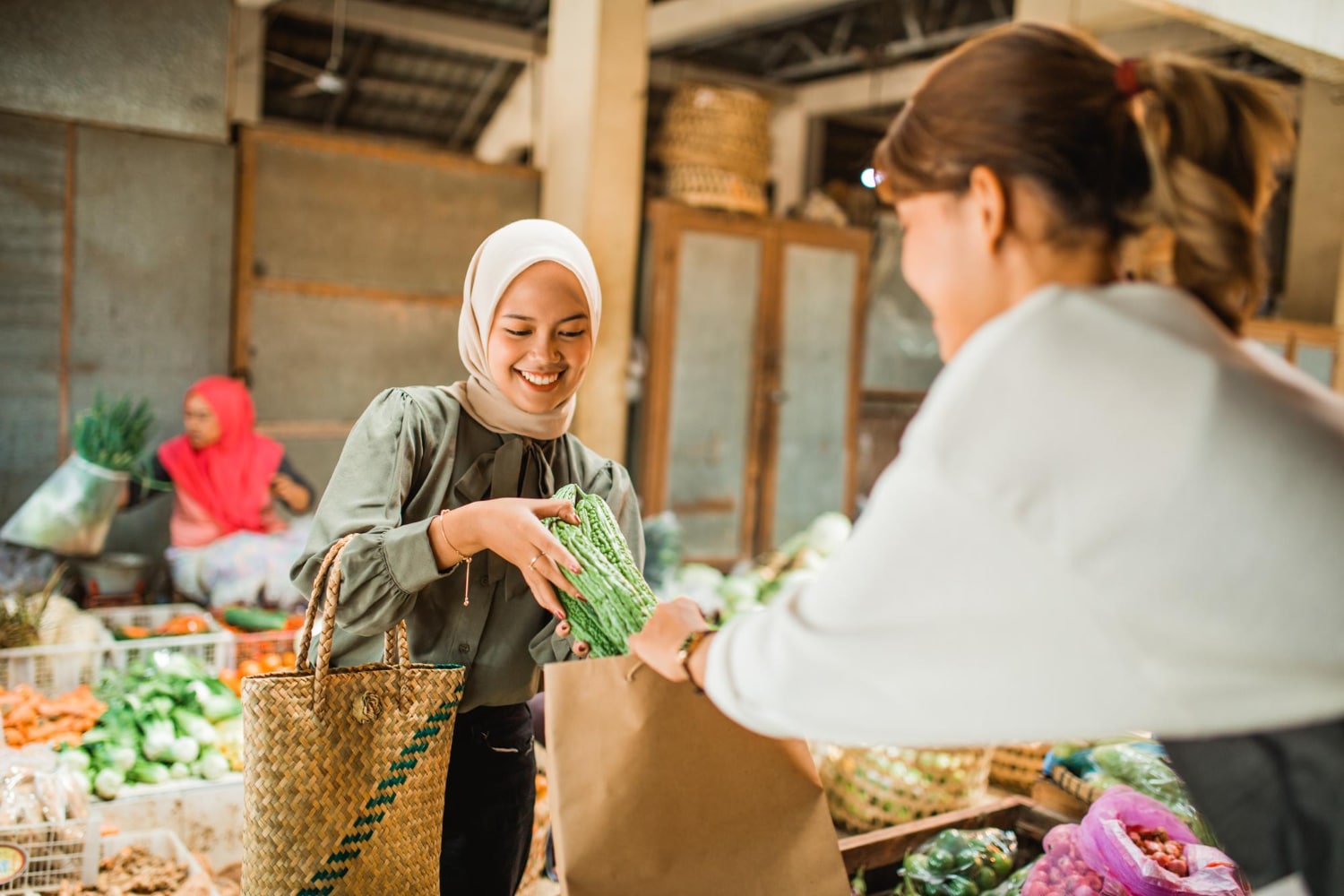
Dubai’s consumer economy is undergoing a transformation that is reshaping the foundations of daily life. The city that once revolved around destination malls and centralized retail corridors is now seeing spending patterns reorganized into neighbourhood‑based ecosystems. This movement reflects a deeper change in how households structure their routines, how communities build familiarity, and how value is experienced in everyday interactions.
The signs of this shift are embedded in the city’s residential fabric. Families are directing their weekly shopping toward community supermarkets within close reach. Healthcare decisions are increasingly shaped by proximity, with neighbourhood clinics becoming the first point of contact. Fitness, leisure, and dining are being absorbed into local clusters that combine multiple services into integrated hubs. These developments illustrate how the neighbourhood is emerging as the operative unit of economic life, shaping both the rhythm and the identity of consumption across Dubai.
The emerging narrative of Dubai consumer behaviour is therefore one of localization. It is a story defined by proximity, trust, and cultural rhythm, where micro‑economies are steadily constructing the architecture of the city’s retail and service landscape. To understand the trajectory of Dubai’s consumer future, the neighbourhood economy must be recognized as the structural lens through which daily spending is now organized.
This blog explores how hyperlocal routines are reshaping daily consumption, how community malls and service clusters are evolving into integrated marketplaces, and how cultural dynamics, trust, and digital platforms reinforce localized behaviour . By profiling diverse household segments and examining the economic impact of these shifts, the analysis positions localization as the organizing principle of Dubai’s consumer future.
Hyperlocal Routines Are Redefining Daily Consumption
Daily consumption in Dubai is increasingly organized around hyperlocal routines that prioritize proximity and convenience. The rhythm of household life is being reshaped by the accessibility of malls, clinics, gyms, cafés, and supermarkets located within immediate reach of residential communities. Families now plan their weekly shopping around community supermarkets, young professionals embed fitness and leisure into nearby gyms and cafés, and expatriate households rely on local service clusters that combine multiple needs into one orbit.
Neighbourhoods are becoming the anchor points of Dubai’s consumer economy. Choices such as visiting a nearby clinic or café are part of a behavioural logic where convenience intersects with trust and familiarity. Over time, these repeated decisions consolidate into spending habits that strengthen the economic weight of local clusters and steadily redirect footfall away from centralized destinations.
Cultural preferences intensify this localization. Family‑centric households value proximity for balancing work, school, and domestic responsibilities. Youth communities gravitate toward cafés and gyms that double as social spaces, embedding consumption into lifestyle identity. Expatriate clusters often favour supermarkets and service providers that cater to cultural needs, reinforcing the diversity of Dubai’s consumer fabric. These dynamics are shaping Dubai hyperlocal shopping trends, where everyday routines define the geography of consumption and neighbourhoods emerge as the structural rhythm of commerce.
Community Malls and Service Clusters as Neighbourhood Marketplaces
Community malls and service clusters are becoming the defining marketplaces of Dubai’s neighbourhood economy. Unlike large destination malls, these hubs integrate retail, healthcare, fitness, and food and beverage into compact ecosystems that serve the immediate needs of surrounding households. Their strength lies in the ability to condense multiple services into a single orbit, allowing families, professionals, and expatriates to anchor their routines within the community itself.
This integration generates micro‑economies built on repeat spending. A family visiting a local supermarket may also stop at the pharmacy next door, dine at the café within the same cluster, and return later in the week for fitness or wellness services. Each cycle of activity reinforces loyalty not only to individual outlets but also to the cluster as a whole. Over time, these patterns create sustained demand that strengthens the resilience of neighbourhood hubs and steadily shifts the balance of local consumer spending in Dubai toward community‑based centres.
Identity is another dimension shaped by these clusters. Community malls are not anonymous spaces; they become extensions of neighbourhood character. Families associate them with convenience and familiarity, youth communities with social belonging, and expatriate households with cultural continuity. The result is a marketplace that is both economic and symbolic – a place where spending intersects with trust, recognition, and community identity.
From a broader perspective, these hubs illustrate the rise of neighbourhood retail in Dubai, where integrated clusters function as self‑sustaining economic units. They absorb demand once directed toward centralized retail corridors and embed themselves into the rhythm of daily life, positioning neighbourhood marketplaces as the structural anchors of Dubai’s evolving consumer economy.
The Economic Impact of Neighbourhood Spending Patterns
Neighbourhood spending patterns are emerging as a cornerstone of Dubai’s diversified economy. By channeling demand into community malls and local clusters, these patterns stimulate localized job creation, reduce commuting distances, and cushion the retail sector against disruptions in international tourism. The rise of community‑based retail models directly supports micro-economies, embedding commerce into residential districts and enhancing overall resident wellbeing.
One of the most powerful outcomes of neighbourhood spending is the way it transforms capital flows within the city. Money directed toward community businesses circulates through local suppliers, employees, and service providers, creating a multiplier effect that strengthens the regional economy. At the same time, the velocity of capital in these neighbourhood ecosystems is markedly higher than in national or international chains, since a greater share of revenue is reinvested locally. This accelerated recirculation amplifies the impact of each dirham spent, embedding resilience into Dubai’s consumer landscape and reinforcing the long‑term stability of its urban economy.
The growing Dubai community mall footfall demonstrates how consistent neighbourhood traffic is stabilizing the city’s commercial real estate landscape. Sustained demand in these hubs keeps storefront vacancies low, preserves property values, and secures the local tax base. This steady circulation of consumers reduces volatility in the retail sector and ensures that community malls remain viable anchors of urban commerce, reinforcing their role as structural pillars in Dubai’s evolving economy.
Infrastructure costs are also impacted. When residents meet their daily retail and service needs within their immediate community, the strain on regional transportation networks is reduced. Shorter commutes lower public expenditure on road maintenance and contribute to sustainability goals by cutting carbon emissions. These efficiencies align with the objectives of Dubai’s Urban Master Plan 2040, which prioritizes decentralization and community‑based hubs as part of the city’s long‑term growth strategy.
Neighbourhood spending is therefore not simply a behavioural preference; it is a structural force reorganizing Dubai’s urban economy. By anchoring commerce in proximity, sustainability, and capital recirculation, community malls are redefining the competitive logic of retail and positioning neighbourhood economies as the operative backbone of Dubai’s next phase of growth.
Profiling Dubai’s Local Consumers Through Segmentation
Dubai’s consumer economy is shaped by diverse demographic clusters, each with distinct priorities and spending behaviours. Dubai consumer segmentation highlights how family‑centric households, youth‑driven communities, and expatriate clusters collectively sustain neighbourhood commerce while influencing the evolution of retail models.
Family‑centric households, often Emirati nationals and long‑term expatriates, anchor their consumption around stability and quality. Their choices reflect Dubai family consumer trends, with spending directed toward organic groceries, private schooling, children’s activities, healthcare, and home services. Trust and reputation are central, as families prefer service providers embedded within their communities, reinforcing the role of neighbourhood hubs as reliable anchors of daily life.
Youth‑driven communities, concentrated in high‑rise districts and lifestyle‑oriented neighbourhoods, represent the most dynamic segment. Their youth spending patterns are defined by frequency and immediacy, with emphasis on fitness memberships, coffee shops, casual dining, wellness services, and digital platforms. Transactions are typically smaller in value but higher in volume, reflecting a preference for convenience, lifestyle alignment, and digital integration.
Expatriate clusters, particularly mid‑market commuters and multi‑generational families, form a value‑driven segment. Their spending gravitates toward affordable grocers, healthcare clinics, educational support, and community retail promotions. Loyalty apps and strip malls are critical touchpoints, reinforcing cost‑conscious behaviors while sustaining localized retail ecosystems.
Together, these archetypes illustrate how demographics and household structures shape Dubai’s consumer economy. Segmentation reveals not only differences in priorities but also the way neighbourhood commerce adapts to diverse needs, from premium family services to digitally‑driven youth lifestyles and value‑oriented expatriate clusters.
Trust and Familiarity as the Hidden Drivers of Local Loyalty
In Dubai’s neighbourhood economies, loyalty is sustained by the invisible currency of trust. Consumers consistently reward businesses that demonstrate reliability and consistency, making local business reputation in Dubai a decisive factor in everyday spending. Familiarity acts as a stabilizing force, embedding providers into household routines and transforming them into indispensable anchors of community commerce.
Trust and familiarity function as psychological shortcuts that eliminate transaction friction. Instead of navigating complex comparisons or marketing claims, consumers lean on reputation, family influence, and word of mouth to guide decisions. This dynamic converts casual customers into predictable, long‑term revenue streams, bypassing traditional marketing funnels and replacing costly brand acquisition with organic, relationship‑based retention.
Within tightly knit communities, recommendations from relatives or neighbours often carry more weight than advertising. A trusted grocer, healthcare clinic, or home service provider can quickly become part of the household’s rhythm, while a single breach of confidence can ripple across an entire cluster. In this way, trust operates as the hidden infrastructure of Dubai’s consumer landscape, sustaining neighbourhood hubs, stabilizing demand, and reinforcing the city’s broader shift toward decentralized, community‑based economies.
Digital Platforms Strengthening the Neighbourhood Economy
Technology has become the connective tissue of Dubai’s neighbourhood commerce, transforming convenience into loyalty and embedding resilience into local economies. Dubai digital consumer insights reveal that delivery apps, loyalty programs, and geo‑targeted promotions are not simply transactional tools. They are mechanisms that reinforce proximity‑based spending and deepen the role of community hubs.
The surge in delivery app usage in Dubai illustrates how digital platforms extend the reach of neighbourhood businesses. Grocers, pharmacies, and cafés can now serve households within minutes, aligning with hyperlocal routines and reducing reliance on distant mega malls. This immediacy strengthens consumer confidence, as residents perceive local providers as both accessible and responsive.
Loyalty programs further anchor spending within communities. By rewarding repeat purchases and offering tailored benefits, they transform everyday transactions into long‑term relationships. For family‑centric households, loyalty schemes tied to trusted grocers or clinics reinforce stability, while youth‑driven consumers engage with gamified rewards that align with their digital lifestyles.
Geo‑targeted promotions add another layer of precision. By tailoring offers to specific neighbourhoods, businesses can stimulate demand exactly where it matters most, ensuring that capital circulates within local economies. This localization of digital engagement reduces marketing waste, maximizes relevance, and strengthens the multiplier effect of community spending.
Equally important are frictionless digital payments, which eliminate transaction barriers and embed speed into the consumer experience. Instant transfers, contactless cards, and mobile wallets reduce checkout friction, enabling higher transaction velocity and reinforcing trust in local providers. For consumers, seamless payments make neighbourhood commerce feel as efficient as global platforms, while for businesses, they accelerate cash flow and reduce operational strain.
Together, these digital mechanisms illustrate how platforms are not displacing neighbourhood commerce but amplifying it. By embedding convenience, loyalty, and localization into daily routines, digital tools reinforce the structural role of neighbourhood hubs in Dubai’s evolving consumer economy.
Business Strategies for Thriving in Localised Markets
For retailers and service providers, success in Dubai’s decentralized consumer landscape requires more than generic loyalty schemes. It demands strategies that convert cultural anchors, digital behaviours, and trust dynamics into operational advantage. Dubai community‑driven marketing becomes most effective when paired with agility, data intelligence, and embedded community presence.
One critical lever is real‑time adaptation. Local loyalists often communicate directly with owners, giving businesses the ability to pivot overnight, whether by testing new products, adjusting service bundles, or refining delivery options. This agility creates a competitive edge over larger chains bound by rigid processes.
Another strategy is inventory intelligence at the micro‑level. Familiar merchants can use daily feedback loops to curate hyper‑customised stock, eliminating dead stock and maximising shelf efficiency. By aligning inventory with neighbourhood rhythms, from family‑centric grocery staples to youth‑driven lifestyle products, businesses reduce waste and strengthen relevance.
Equally important is community‑embedded visibility. Sponsoring local events, partnering with schools or clinics, and participating in neighbourhood initiatives elevate reputation beyond transactions. This form of Dubai community‑driven marketing transforms businesses into trusted anchors of community identity, ensuring loyalty is reinforced through social validation.
Finally, digital integration with cultural nuance is essential. Delivery apps, loyalty platforms, and frictionless payments should be tailored to reflect family buying behaviour, expatriate diversity, and youth preferences. Businesses that combine digital convenience with cultural resonance create seamless experiences that feel both modern and familiar, embedding themselves into daily routines.
Together, these strategies show that thriving in localized markets is not about scale but about precision: agility in response, intelligence in inventory, visibility in community, and integration in digital touchpoints. This layered approach positions businesses as indispensable pillars of Dubai’s evolving neighbourhood economy.
Conclusion
Localization has become the decisive force shaping Dubai’s consumer economy. What we see today is not a temporary adjustment but a structural reordering of retail, where neighbourhood hubs, trust‑based relationships, and cultural nuance define resilience. The future of retail in Dubai rests on this decentralized model, with households and communities emerging as the true centers of demand.
For businesses, thriving in this shift requires more than agility; it demands clarity of direction, grounded in evidence and insight. Hyper‑customized inventory, frictionless digital payments, and community‑driven visibility are powerful tools, but they must be guided by evidence. Without intelligence, localization risks becoming reactive. With it, operators can anticipate household rhythms, align with cultural diversity, and convert trust into predictable growth.
This is where Sapience plays a critical role. As a boutique market research company in Dubai, we specialize in decoding localization trends and turning them into actionable strategies that help businesses stay ahead of structural shifts. Through a blend of deep analytics and contextual expertise, we provide clarity on how neighbourhood economies, cultural anchors, and trust‑based dynamics are reshaping consumer behaviour. As a trusted consumer insights partner in Dubai, our mission is to turn data into foresight, enabling operators to anticipate household rhythms, align with diverse community expectations, and convert trust into sustainable growth.