

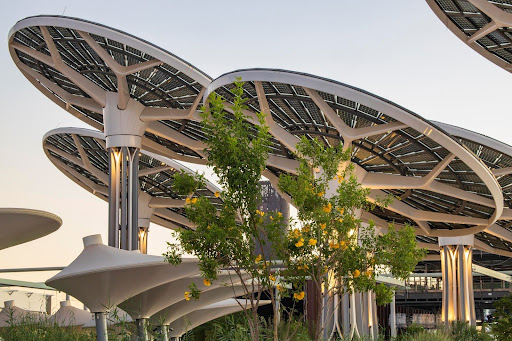
Urban expansion across the GCC is accelerating, with the UAE’s real estate growth leading regional transformation. From high-density residential hubs to mixed-use commercial districts, development is reshaping the physical and economic landscape. Yet this momentum is increasingly shaped by environmental accountability. As climate goals tighten globally, the GCC is aligning through national frameworks and policy instruments that embed sustainability into long-term planning. In the UAE, initiatives like the Green Agenda 2031 signal a decisive shift, where environmental performance is no longer a secondary metric but a core driver of real estate value and viability.
In this context, understanding how consumer sentiment intersects with regulatory advancement is essential. Sapience delivers the best real estate market analysis in Dubai & GCC, helping developers, investors, and brands navigate the complexity of emerging GCC sustainability trends. Through sector-specific insight and behavioral intelligence, Sapience enables stakeholders to respond to market signals while ensuring that sustainability becomes a source of long-term value and strategic relevance.
This blog explores how sustainability is redefining real estate in the GCC, from consumer sentiment to policy frameworks. It highlights key trends, challenges, and strategic insights for developers, investors, and brands navigating this shift.
The UAE Green Agenda 2031: A Development Blueprint
The UAE Green Agenda 2031 outlines a national framework for low-carbon growth, anchored in five strategic pillars: sustainable infrastructure, clean energy, climate resilience, circular economy, and environmental governance. For the real estate and construction sectors, this translates into clear expectations around energy efficiency, sustainable construction, and the use of low-impact materials. Building codes are being updated, permitting processes now factor environmental performance, and investor incentives increasingly reward ESG-aligned developments.
To navigate this shift, stakeholders need to increase their market awareness. Sapience supports them through targeted market research in UAE, offering deep insight into regulatory impact, consumer perceptions, and investment sentiment. Our market research service for the construction industry in Dubai & GCC helps developers and investors align with the national sustainability plan, anticipate shifts in demand, and position assets for long-term relevance in a changing regulatory and reputational landscape.
Consumer Sentiment: The New Drivers of Demand
Across the GCC, shifting consumer expectations are reshaping real estate priorities. Buyers are increasingly seeking energy-efficient homes, integrated green spaces, and smart infrastructure that reflects both lifestyle aspirations and environmental values. This rise in green real estate demand is particularly evident among climate-conscious consumers, with millennials and Gen Z emerging as influential segments in the property market. Their preferences are driving demand for developments that demonstrate tangible sustainability commitments, from material choices to operational efficiency.
Transparency is now a baseline expectation. Certifications like LEED, carbon disclosures, and ESG reporting in real estate are a significant part of the decision-making process. As the region adapts to these shifts, Sapience, the best real estate market research company in Dubai, provides actionable insight into evolving GCC property buyer preferences. Through targeted market research for the construction industry in Dubai & across GCC, Sapience helps developers and investors align product strategy with consumer expectations, ensuring relevance in a market where sustainability is both a value proposition and a reputational benchmark.
Developer Response: From Compliance to Competitive Edge
Leading UAE sustainable developers are moving beyond regulatory compliance to embed sustainability as a strategic differentiator. Projects like Masdar City, Aldar’s ESG-aligned portfolio, and Red Sea Global’s regenerative tourism model reflect a shift toward green construction that prioritizes modular design, passive cooling, and low-carbon materials. Increasingly, renewable energy in real estate, from solar integration to district cooling, is being positioned as a core value proposition for buyers and investors.
This repositioning is evident in how sustainability features in investor presentations, brand narratives, and asset marketing. Developers are leveraging ESG credentials to attract capital, build trust, and signal long-term resilience. Sapience works closely with stakeholders to decode this shift, offering insight that distinguishes trend from traction. As one of the leading real estate market research companies in Dubai, Sapience helps developers quantify impact, align with consumer priorities, and translate sustainability into commercial advantage.
Investment Trends: ESG as a Capital Magnet
Sustainability is reshaping capital flows across the GCC real estate sector. The rise of sustainable property funds, ESG investment in GCC real estate, and sustainability-linked financing instruments reflects a growing investor preference for climate-aligned assets. Institutional capital is increasingly directed toward projects that demonstrate resilience, regulatory alignment, and long-term environmental performance. From green bonds to ESG-screened portfolios, the financial architecture of real estate is being realigned to support transparency and impact.
As dynamics shift, market intelligence plays a critical role. Sapience, the best real estate market research company in Dubai, supports investors and developers in identifying opportunities that align with both policy and consumer demand. Through targeted insight into institutional investment in green buildings, Sapience helps stakeholders de-risk decisions, validate ESG strategies, and position assets for sustained relevance in a market where environmental performance is now a financial metric.
Challenges and Gaps: What Still Needs to Shift
Despite policy momentum and flagship developments, sustainability adoption across the GCC remains uneven. Mid-tier developers and secondary cities often face barriers to green building adoption, including limited access to financing, fragmented regulatory enforcement, and unclear ROI metrics. The absence of standardized benchmarks and limited consumer education further complicates efforts to scale sustainable practices across the broader real estate ecosystem.
Addressing these gaps requires coordinated effort. Cross-sector sustainability collaboration between real estate, energy, transport, and policy stakeholders is essential to build integrated solutions that are both scalable and commercially viable. Sapience supports this transition through tailored market research for the real estate industry in Dubai & GCC, helping stakeholders identify structural challenges, decode consumer sentiment, and align development strategies with long-term sustainability goals.
Strategic Recommendations for Brands, Builders, and Investors
To remain competitive in a climate-conscious market, developers and investors must embed sustainability strategies for real estate into early-stage planning. This includes integrating green building product positioning into design, pricing, and communications, ensuring that environmental performance is not an afterthought but a core value proposition. Aligning with national frameworks such as the UAE Green Agenda and Saudi Vision 2030 is essential for long-term relevance, especially as policy incentives and ESG benchmarks become central to project viability.
Consumer expectations are evolving rapidly, and data-driven insight is key to anticipating demand. Investing in market research for sustainable real estate allows stakeholders to track sentiment shifts, validate ESG narratives, and benchmark performance against regional and international standards. Sapience supports this strategic alignment by helping brands, builders, and investors translate sustainability into measurable impact—commercially, reputationally, and operationally.
Conclusion
Sustainability in the GCC is a strategic lens through which real estate value, relevance, and resilience are being redefined. The future of green real estate will be shaped by those who embed environmental performance into core planning, respond to evolving consumer expectations, and align with national frameworks like the UAE Green Agenda and Saudi Vision 2030.
As consumer-driven sustainable development gains traction, the ability to decode sentiment, benchmark ESG performance, and anticipate regulatory shifts becomes essential. Sapience, the best real estate market research agency in Dubai, supports this transition by equipping developers, investors, and brands with the insight needed to lead responsibly and differentiate meaningfully. In a region where sustainability is both a market signal and a reputational asset, an informed strategy will define tomorrow’s success.