
In the UAE, convenience has become a powerful determinant of consumer choice, influencing how people assign value across everyday services. It is not simply about speed or access. It represents a deeper assurance that time will be preserved, stress minimized, and commitments honored. What appears as a modest premium is often a reflection of these priorities, where reliability and trust carry greater weight than cost alone.
This dynamic is most evident among UAE digital consumers, who increasingly rely on platforms that weave convenience directly into the customer journey. Retailers prioritize delivery slots, healthcare providers streamline appointments, and mobility services ensure seamless availability.
These features have shifted from optional benefits to expected standards. Yet consumer willingness to pay remains conditional: transparency and consistency build loyalty, while hidden charges or unreliable service quickly erode confidence.
Cultural context adds further depth. Family influence, community trust, and the region’s luxury expectations shape how convenience is defined and valued. Platforms that are culturally attuned through Arabic-first interfaces or localized service models often carry greater credibility, highlighting that convenience in the UAE is both functional and contextual.
This blog examines how convenience is reshaping consumer behavior in the UAE – the premiums people accept, the points where ease feels exploitative, and the cultural anchors that guide expectations. Grounded in UAE market research, it provides sector‑specific insights and behavioral analysis, outlining strategies for businesses to design convenience as empowerment, strengthening trust and loyalty.
The Psychology of Paying for Ease
In the UAE, convenience has evolved into a decisive measure of value. Consumers are increasingly willing to pay higher prices for products and services that deliver tangible benefits beyond the core item. Premiums are justified when services provide trust, save time, and guarantee quality or safety. This willingness reflects a recalibrated mindset where ease is equated with credibility.
Time scarcity is one of the strongest drivers behind this shift. In a market defined by demanding work schedules and digitally integrated lifestyles, saved minutes carry disproportionate weight. Consumers are drawn to services that simplify routines and reduce friction in daily life.
Premium convenience services, from instant grocery delivery to subscription models that guarantee seamless access, are embraced because they transform urgency into certainty. Cost is often secondary to the assurance that commitments will be met without disruption. The value lies not only in speed, but in the reliability that accompanies it.
Trust amplifies this behavior. Consumers pay more when they believe a brand will deliver consistently, without hidden charges or service failures. In this context, UAE customer convenience is defined by predictability and confidence. A reliable delivery, a seamless booking, or a transparent transaction is a reassurance that justifies the premium.
Emotional drivers complete the equation. Reduced stress, predictability, and confidence in service quality are the psychological anchors of modern consumption. UAE consumer behavior shows that convenience is valued because it minimizes uncertainty and reinforces control in a fast‑moving environment. For businesses, the implication is clear: premiums are not about speed alone. They are about building trust and assurance into the service model.
From Urgency to Expectation: How Convenience Shapes Value
Convenience in the UAE is defined by immediacy and integration. It is not an abstract promise but a lived reality shaped by quick-commerce platforms, high-speed digital payments, and 24/7 app-based access to goods and services.
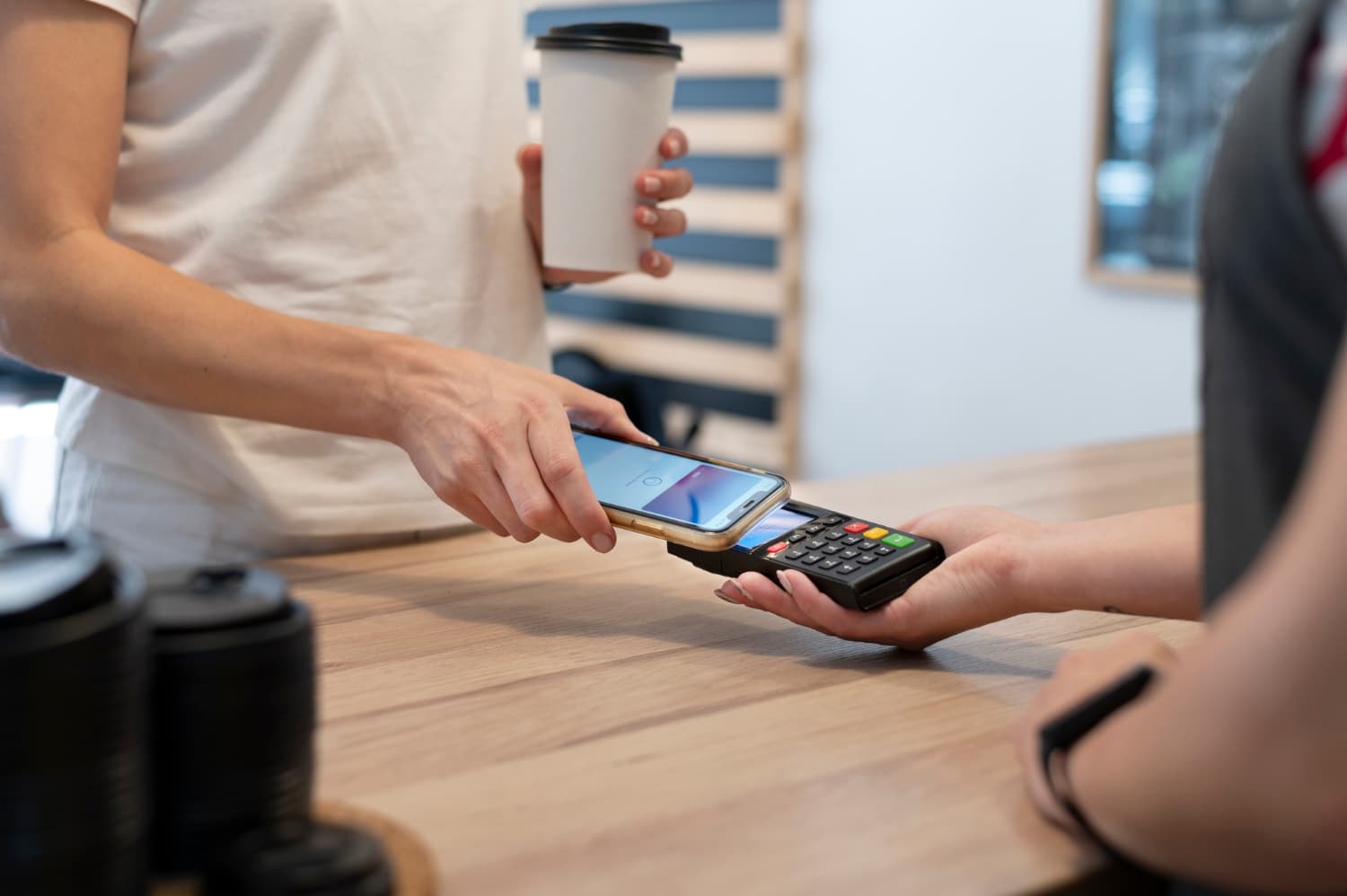
For residents, convenience means groceries arriving in minutes, bills settled with a tap, and services booked without leaving the sofa. Quick commerce has become the frontline of this shift. Platforms delivering groceries, food, and pharmaceuticals within 10–20 minutes have transformed urgency into expectation. Cashless transactions reinforce this ecosystem. With more than 80 percent of payments now contactless, physical wallets are increasingly redundant as digital solutions dominate daily life.
App‑based services extend convenience into every corner of life. Ride‑hailing, cleaning, laundry, and urgent courier services are orchestrated through smartphones, while instant payment platforms enable peer‑to‑peer transfers around the clock. One‑click checkout, powered by stored cards and biometrics, reduces friction further, making speed and certainty inseparable.
This convenience is not free. Residents pay premiums through delivery fees for rapid grocery slots, service charges on apps, and subscription models that guarantee faster access or priority service. They also accept higher prices for urgent, on‑demand services that bypass traditional, cheaper alternatives. The willingness to pay reflects a deeper recalibration: in a market moving toward a fully integrated digital ecosystem, time has become more valuable than cost.
Cultural Anchors: Why UAE Consumers Value Ease Differently
Convenience in the UAE is not interpreted in the same way as in other markets; it is filtered through cultural anchors that redefine what ease means. Family influence, community trust, and luxury expectations collectively shape how consumers perceive value, making convenience inseparable from credibility.
Family remains a decisive force in consumption. Decisions around grocery, healthcare, and even mobility are often made with collective benefit in mind. Ease is valued when it supports family routines, reduces stress across households, and reinforces reliability in shared experiences. This dynamic is central to GCC cultural consumer insights, where convenience is not an individual preference but a communal expectation.
Community trust amplifies this behavior. In a region where reputation and credibility carry significant weight, consumers gravitate toward services that demonstrate transparency and reliability. UAE localization strategy emphasizes Arabic‑first, culturally aligned experiences that signal respect, authenticity, and seamlessness that align with community values.
Luxury expectations add another layer. For affluent segments, convenience is about exclusivity and assurance. UAE luxury consumer trends show that premium lifestyle services are embraced when they deliver personalized ease. From curated beauty appointments to priority healthcare access. Here, convenience becomes a marker of status, reinforcing the idea that time saved and stress reduced are privileges worth paying for.
The Breaking Point: When Convenience Feels Exploitative
In the UAE, convenience is valued as certainty, but when pricing or service practices undermine that certainty, consumer sentiment shifts sharply. Premiums are tolerated only when they deliver trust and predictability. The moment they feel opportunistic, they erode credibility and trigger disengagement.
Surge pricing is the most visible flashpoint. In mobility and food delivery, sudden spikes in cost are perceived not as fair market adjustments but as exploitation of urgency. UAE surge pricing has become a recurring source of frustration, with customers questioning whether platforms prioritize profit over reliability.
Hidden fees and opaque service charges carry the same risk. What begins as a seamless transaction can quickly unravel when unexpected costs appear at checkout, undermining the very promise of ease and eroding consumer trust.
Cancellation penalties and inconsistent service further intensify dissatisfaction. A failed delivery, a rescheduled appointment, or a driver who does not arrive on time transforms convenience into stress. In a region where reliability is paramount, these experiences weigh heavily on perceptions of brand credibility. Consumer sentiment analysis in UAE consistently shows that transparency and fairness are non‑negotiable; once breached, recovery is difficult.
Even with omnichannel retail trends in UAE, where digital and physical touchpoints are increasingly integrated, the last mile remains fragile. Delays or poor communication at this stage can undo the value created across the entire journey. For consumers, convenience is about confidence that promises made online will be honored offline.
The vision highlights convenience cannot be monetized at the expense of trust. Premiums are sustainable only when they are framed as value, not a penalty. Brands that embed transparency into pricing and consistency into service will reinforce loyalty.
Strategic Insights for Businesses
For brands in the UAE, the challenge is to position convenience premiums as rational investments rather than opportunistic charges. Consumers weigh these costs against tangible benefits, and credibility is built when convenience is structured as real value. Legitimacy grows further when it is embedded in ecosystems like bundled subscriptions, loyalty programs, and unified platforms, shifting perception from isolated payments to integrated experiences and strengthening confidence in consistent delivery
The willingness to pay is closely tied to assurance. Consumers invest in services that reduce uncertainty, minimize stress, and guarantee outcomes, equating convenience with reassurance. At the same time, acceptance of premiums is shaped by cultural expectations. In a market defined by collective values, services that are Arabic‑first, family‑oriented, and community‑attuned set the benchmark for seamlessness.
Distinctive convenience, rather than generic speed, is what secures loyalty over time. Priority access, personalized experiences, and frictionless digital pathways reinforce exclusivity and fairness, embedding convenience into long-term consumer relationships.
The strategic imperative is clear and uncompromising. Convenience has become a competitive differentiator that defines retention, credibility, and brand equity. Businesses that design premiums as integrated, reassuring, and culturally precise secure enduring loyalty in a market where expectations leave no room for compromise.
Conclusion
Premiums in the UAE are sustained when they are built on reliability and communicated with clarity. Consumers reward brands that consistently deliver on promises, and convenience framed as assurance becomes a structural driver of retention and trust.
Within the experience economy, convenience operates as a benchmark of credibility. Ease is measured by the confidence it instills and the cultural relevance it reflects. For businesses, the directive is precise: design convenience as loyalty. Premiums must be positioned as tangible benefits that reinforce trust and strengthen brand equity.
As a well-established market research agency in the UAE, Sapience translates these dynamics into actionable strategies. By decoding consumer behavior and embedding cultural nuance into every recommendation, Sapience enables brands to build convenience as a driver of loyalty, ensuring that premiums are justified, sustainable, and aligned with the expectations of today’s UAE consumer.
