

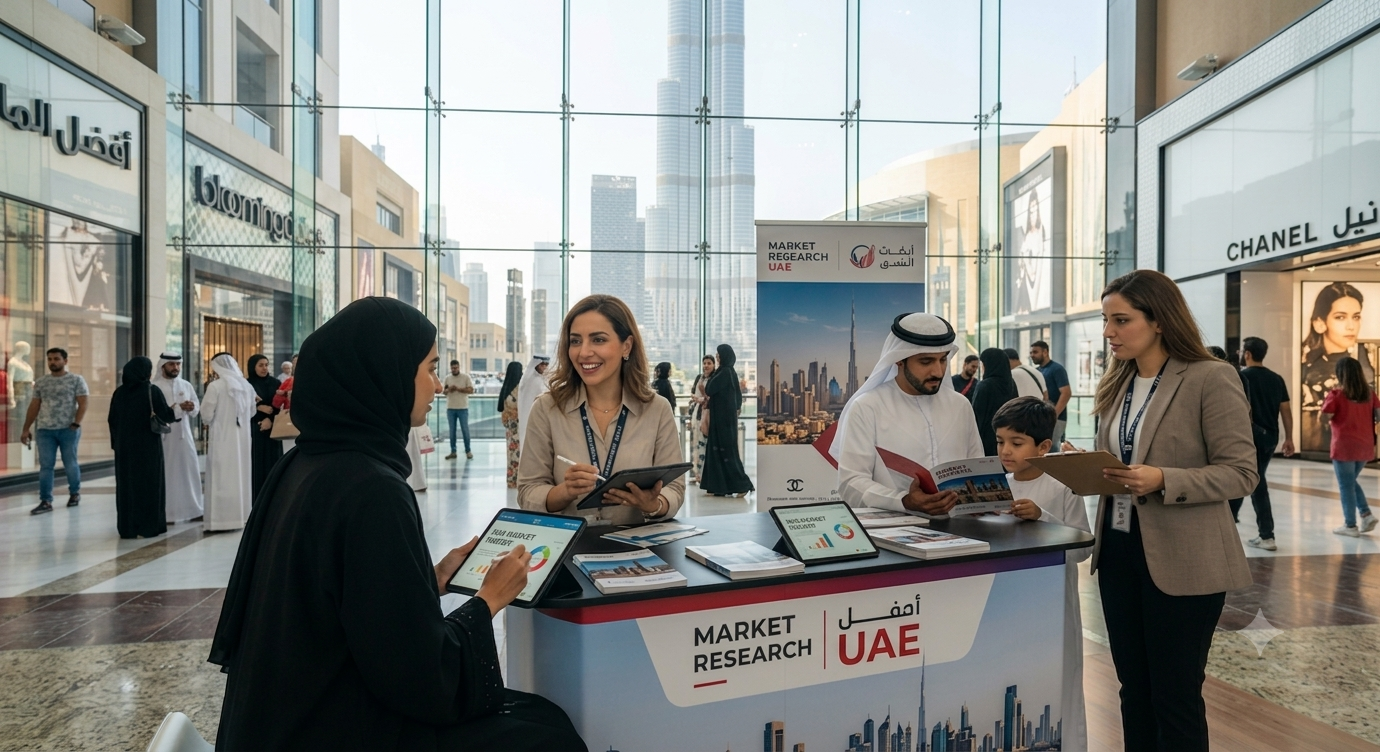
The UAE has become one of the world’s most attractive destinations for business expansion, thanks to its strategic location, business-friendly environment, and diverse consumer market. Companies across various industries are investing in the region to reach new customers, introduce innovative products, and strengthen presence in the Middle East.
However, conducting effective business research in the UAE is not always straightforward. From understanding a multicultural audience to complying with data privacy regulations, businesses must overcome several obstacles before making informed decisions.
Recognizing these market research challenges in the UAE can help organizations plan research more effectively and reduce uncertainty before entering or expanding within the market.
Why Business Research Is Important Before Entering the UAE Market
Business research provides the foundation for informed decision-making. Before launching a product, expanding operations, or entering a new industry, companies need to understand customer preferences, competitor activities, market demand, and potential opportunities.
Conducting business research in the UAE enables organizations to evaluate risks, identify profitable market segments, and develop strategies that align with local customer expectations. Rather than relying on assumptions, businesses can use reliable research to support pricing decisions, marketing campaigns, product development, and long-term growth plans.
Challenge 1: Understanding a Diverse Consumer Market
One of the biggest challenges in the UAE is its incredibly diverse population. With residents representing more than 200 nationalities, businesses are serving customers with different languages, cultures, lifestyles, and purchasing habits. A marketing message that appeals to one audience may not have the same impact on another.
This diversity makes it essential for businesses to segment audiences carefully instead of treating the market as a single customer group. Factors such as nationality, income, age, profession, and cultural background all influence buying decisions. Understanding these differences allows businesses to create products, services, and marketing strategies that resonate with the intended audience.
Challenge 2: Limited Availability of Reliable Market Data
Although the UAE offers a highly developed business environment, finding comprehensive public data for specific industries can sometimes be challenging. Businesses often discover that publicly available reports provide only a broad overview, making it difficult to understand niche markets or emerging customer preferences.
This is why many organizations conducting market research in the UAE rely on primary research methods such as customer surveys, interviews, focus groups, and observational studies. Collecting first-hand information allows businesses to gain more relevant insights that reflect current market conditions rather than depending solely on existing reports.
Combining primary research with trusted industry publications also helps businesses validate findings and build a clearer understanding of market opportunities.
Challenge 3: Data Privacy and Regulatory Compliance
Businesses collecting customer information in the UAE must comply with regulations that govern how personal data is collected, stored, and processed. The UAE’s Personal Data Protection Law (PDPL) has strengthened privacy requirements, making responsible data handling an essential part of every research project.
Organizations should ensure participants understand how information will be used and obtain appropriate consent before collecting personal data. Secure storage, ethical research practices, and transparent communication help businesses maintain compliance while building trust with research participants.
Working with experienced research professionals who understand local regulations can also help organizations avoid compliance issues and maintain the integrity of research.
Challenge 4: Language and Cultural Differences
Although English is widely used in business, Arabic remains an essential language for connecting with many local communities and consumers. Businesses that only conduct research in one language may unintentionally exclude valuable perspectives or misunderstand important cultural nuances. Translation alone is often not enough. Survey questions, interview guides, and discussion topics should also be culturally appropriate and easy for participants to understand. Even small differences in wording can influence how respondents interpret questions and provide feedback.
Understanding local customs, communication styles, and cultural expectations helps researchers build stronger relationships with participants and collect more meaningful insights. Businesses that invest in culturally sensitive research are more likely to obtain accurate results that truly reflect customer opinions.
Challenge 5: Reaching the Right Audience
Finding the right participants is one of the most important aspects of any research project. The UAE has a large expatriate population, frequent workforce movement, and customers spread across different industries and income groups. These factors can make challenges in data collection UAE more complex, particularly when businesses need feedback from specific customer segments or senior business decision-makers.
To improve research quality, companies should define the target audience clearly before collecting data. Using a combination of surveys, interviews, focus groups, and digital research methods can help businesses reach participants who accurately represent the intended market.
Challenge 6: Understanding Local Competition
The UAE is home to both established international brands and rapidly growing local businesses, creating a highly competitive marketplace. Before entering the market, businesses need to understand who competitors are, how they position themselves, what customers value, and where opportunities exist.
Competitor research should go beyond pricing. Businesses should also evaluate customer service, product quality, marketing strategies, digital presence, and customer reviews. A detailed competitive analysis helps organizations identify gaps in the market and develop stronger strategies that differentiate them from existing competitors.
Challenge 7: Keeping Up With a Rapidly Changing Market
Consumer expectations, technology, and industry trends continue to evolve across the UAE. Businesses that rely on outdated information may struggle to keep pace with customer preferences or changing market conditions. These UAE market research issues make continuous research an important part of business planning rather than a one-time activity.
Regular market research allows businesses to monitor customer behavior, evaluate new opportunities, identify emerging competitors, and respond quickly to industry developments. Staying informed helps organizations remain competitive while adapting products, services, and marketing strategies to changing market demands.
How to Overcome These Challenges
Successfully conducting business research in the UAE requires careful planning, reliable methodologies, and a strong understanding of the local market. Combining primary research with trusted secondary sources allows businesses to gather accurate insights while validating findings through multiple perspectives.
Partnering with experienced market research professionals can also help businesses overcome common barriers to entry in UAE market by providing access to local expertise, qualified respondents, and industry-specific knowledge. This approach also reduces the risks of entering UAE market, enabling companies to make informed decisions based on reliable data rather than assumptions.
How Sapience Supports Business Research in the UAE
Conducting effective business research requires more than collecting data. It involves understanding the market, designing the right research approach, selecting the appropriate audience, and transforming findings into meaningful business strategies. Working with experienced professionals helps organizations collect accurate insights while ensuring research is aligned with business objectives.
Sapience supports businesses across the UAE and the GCC with comprehensive market research, consumer studies, competitor analysis, customer satisfaction research, fieldwork, and strategic advisory services. By combining local market expertise with robust research methodologies, Sapience helps organizations understand customers, evaluate market opportunities, and make confident business decisions that support sustainable growth.
Conclusion
Business research plays a vital role in helping organizations understand the UAE market before making important investment or expansion decisions. While businesses may encounter challenges such as diverse customer segments, limited market data, regulatory requirements, and changing consumer expectations, these obstacles can be managed with the right research strategy and local expertise.
Partnering with an experienced research company allows businesses to gather reliable insights, reduce uncertainty, and make well-informed decisions. With its expertise in market intelligence, consumer research, and strategic advisory, Sapience helps organizations confidently navigate the UAE market and identify opportunities for sustainable business growth.
FAQs
- Why is business research important before entering the UAE market?
Business research helps companies understand customer demand, market conditions, competitors, and potential opportunities before making investment or expansion decisions, reducing uncertainty and supporting informed business planning. - What are the biggest challenges businesses face during market research in the UAE?
Some of the most common challenges include understanding a diverse customer base, accessing reliable market data, complying with data privacy regulations, overcoming language differences, and reaching the right target audience. - How does the UAE’s multicultural population affect market research?
The UAE’s diverse population means customer preferences, purchasing habits, and cultural expectations vary significantly. Businesses must tailor research methods to ensure they collect accurate insights from different audience segments. - What is the UAE Personal Data Protection Law (PDPL)?
The PDPL is a data privacy regulation that governs how businesses collect, process, store, and protect personal information. Companies conducting research must ensure they comply with these requirements when handling participant data. - Why is local market expertise important for business research?
Local expertise helps businesses understand cultural differences, customer expectations, industry trends, and regulatory requirements, resulting in more accurate research findings and better business decisions. - How can businesses improve the accuracy of market research in the UAE?
Businesses can improve research accuracy by clearly defining objectives, selecting the right audience, using multiple research methods, validating findings, and partnering with experienced market research professionals when needed.